.2512230224290.jpg)
If you’re researching flooring for a concrete space, you’ve likely seen polished concrete and flake polyaspartic flooring mentioned as durable, modern options. What’s usually missing is a clear explanation of how they actually differ in daily use, maintenance, and performance. This article breaks down those differences in plain terms so you can decide which one fits your space. While both can dramatically improve the look and function of a space, they serve different needs.
Who This Comparison Is For
This guide is written for people who:
- Have concrete floors that look dull, stained, or damaged
- Need a flooring solution for a garage, basement, retail space, warehouse, or showroom
- Want something easy to clean and maintain
- Are unsure about the differences between coatings and polished concrete
- Have little or no background in flooring materials
If you’ve searched phrases like “best flooring for concrete floors,” “garage floor coating vs polished concrete,” or “durable commercial flooring options,” you’re in the right place.
What Is Polished Concrete?
Polished concrete is a flooring system that uses the existing concrete slab. The surface is ground down with special diamond tools and then treated with a hardening liquid (called a densifier). The floor is polished in stages until it reaches the desired level of shine.
In simple terms, polished concrete is concrete that has been smoothed, strengthened, and made shiny.
Common features of polished concrete include:
- A smooth, reflective surface
- Natural gray tones, sometimes with decorative patterns
- Increased surface hardness compared to untreated concrete
Polished concrete is often seen in modern homes, warehouses, schools, and retail spaces because of its clean and minimalist look.
What Is Flake Polyaspartic Flooring?
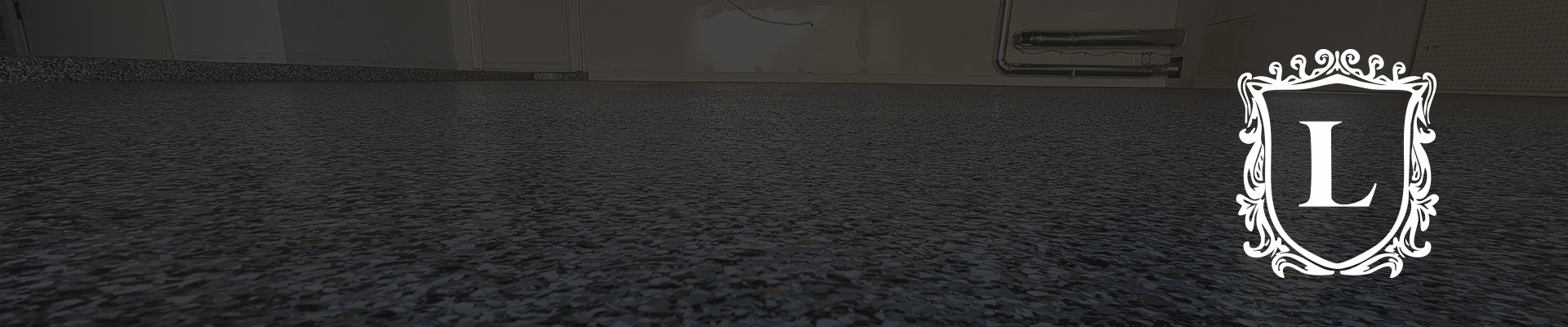
Flake polyaspartic flooring is a coating system applied on top of concrete. First, the concrete is prepared. Then a liquid polyaspartic base coat is applied, followed by decorative vinyl flakes. A clear protective topcoat seals everything in.
Think of it as a layered system that covers the concrete instead of exposing it.
Typical characteristics include:
- Decorative color flakes that hide imperfections
- A textured surface for slip resistance
- A sealed, protective top layer
This type of flooring is commonly used in garages, workshops, commercial kitchens, and areas exposed to moisture or chemicals.
Appearance and Design Differences
One of the first differences people notice is how these floors look.
Polished concrete offers:
- A sleek, modern appearance
- Light reflection that can brighten a space
- A more industrial or minimalist style
Flake polyaspartic flooring provides:
- A wide range of color combinations
- A more decorative, finished appearance
- Better camouflage for cracks, stains, and patches
If you want the natural look of concrete, polished concrete may feel like a better fit. If you want visual flexibility or need to hide surface flaws, flake polyaspartic flooring may be more forgiving.
Durability and Daily Use
Both flooring types are known for durability, but they handle wear differently.
Polished concrete:
- Performs well under heavy foot traffic
- Can last many years with proper care
- May show scratches or wear patterns over time
Flake polyaspartic flooring:
- Creates a protective barrier over the concrete
- Resists chemicals, moisture, and salt
- Is less likely to show surface damage from daily use
According to the American Concrete Institute and industry flooring studies, coatings like polyaspartic systems are often chosen where chemical resistance and moisture protection are priorities, while polished concrete is favored for dry, high-traffic environments.
Maintenance and Cleaning
Maintenance is often a deciding factor, especially for busy households or commercial spaces.
Polished concrete typically requires:
- Regular dust mopping
- Occasional wet cleaning with neutral cleaners
- Periodic re-polishing, depending on traffic
Flake polyaspartic flooring usually involves:
- Simple sweeping or light mopping
- No waxing or polishing
- Easy cleanup of spills and stains
For people who want the lowest day-to-day maintenance, coating systems are often easier to manage.
Moisture and Slip Resistance
Moisture is a major concern for garages, basements, and commercial spaces.
Polished concrete:
- Can become slippery when wet
- Does not block moisture vapor from below
- May need added treatments for traction
Flake polyaspartic flooring:
- Includes textured flakes for grip
- Acts as a moisture-resistant surface
- Is often preferred for wet or humid areas
The National Floor Safety Institute notes that textured flooring surfaces can help reduce slip risks in moisture-prone environments, which is why flake systems are commonly used in garages and workspaces.
Installation Time and Disruption
Installation timelines can matter if the space needs to stay operational.
Polished concrete:
- Requires multiple grinding and polishing steps
- Installation can take several days
- May create dust during preparation
Flake polyaspartic flooring:
- Often installed in one day
- Cures quickly
- Allows faster return to use
For businesses or homeowners who need minimal downtime, faster-curing systems are often a practical advantage.
Cost Considerations
Costs vary based on space size, condition of the concrete, and design choices.
General cost factors include:
- Surface preparation needs
- Decorative options
- Local labor and material pricing
Polished concrete can be cost-effective when the existing slab is in good shape. Flake polyaspartic flooring may cost more upfront, but it can reduce future repair and maintenance needs. A professional evaluation helps clarify which option makes more financial sense long-term.
Which Flooring Is Right for You?
There is no one-size-fits-all answer. The right choice depends on how the space is used, how much maintenance you want, and the condition of your concrete.
Polished concrete may be a good fit if:
- You want a modern, industrial look
- The space is mostly dry
- You’re comfortable with visible wear over time
Flake polyaspartic flooring may be better if:
- You want a decorative, finished appearance
- The space is exposed to moisture, vehicles, or chemicals
- You prefer easier cleaning and added traction
Talk With a Flooring Professional About Your Space
If you’re deciding between polished concrete and flake polyaspartic flooring, a professional assessment can provide clarity. Luxe Pro Finish Concrete Floor Coatings works with homeowners and businesses to evaluate concrete floors, explain options in plain language, and recommend solutions based on real conditions—not guesswork.
Contact Luxe Pro Finish Concrete Floor Coatings today through the online form or call (248) 213-8680 to discuss your space and flooring goals.